
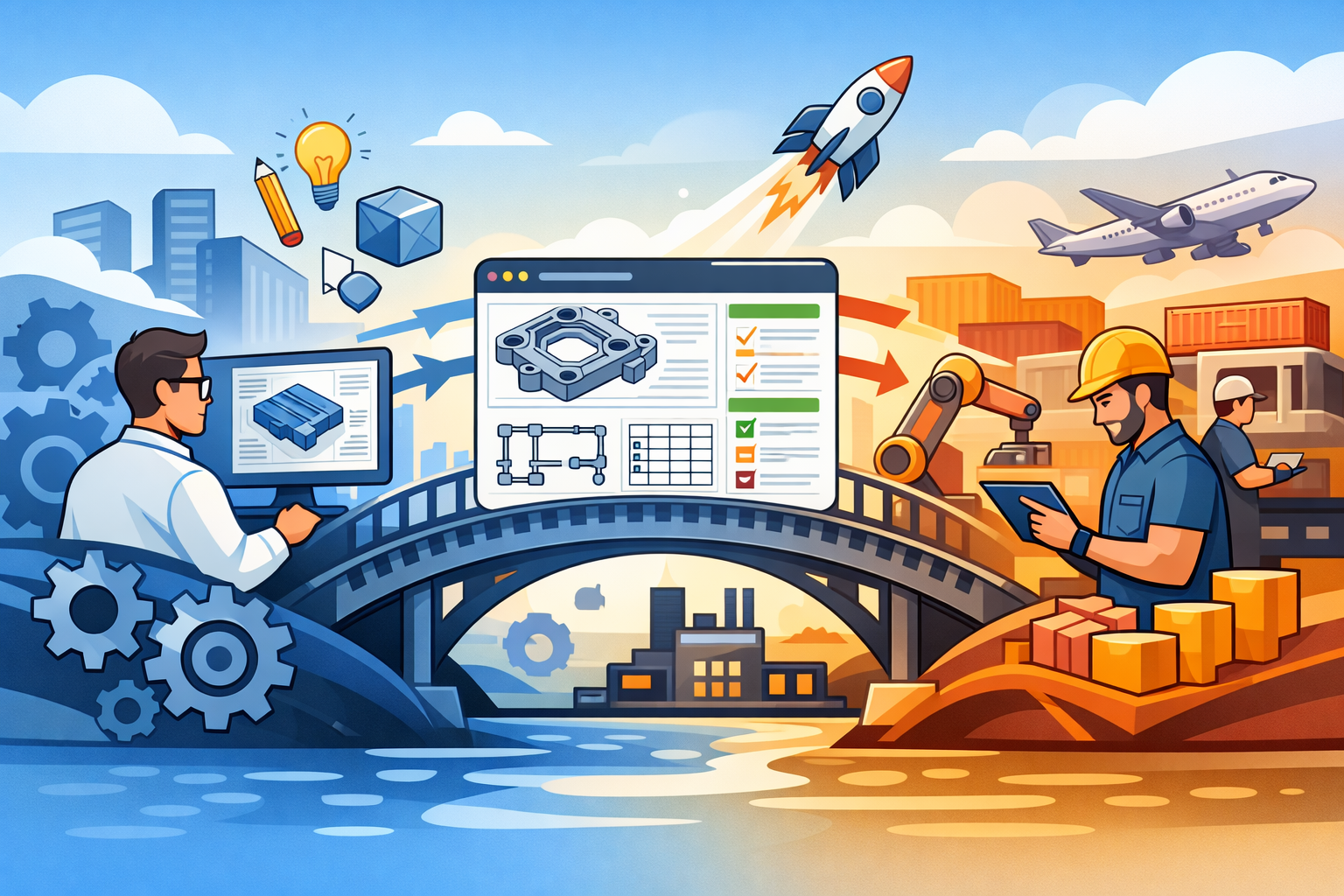
Historically, engineering projects have consistently grappled with the profound challenge of effective knowledge retention and transfer. As teams expand and projects grow in complexity, the collective institutional memory can become fragmented, leading to inefficient resource allocation, repeated efforts, and costly errors. Early development methodologies often relied heavily on informal knowledge sharing, which, while fostering personal connections, frequently lacked the systematic robustness essential for navigating intricate systems and long-term project continuity.
The increasing intricacy of modern engineering endeavors, spanning from sophisticated software architectures to cutting-edge hardware designs, has significantly amplified this issue. Contemporary projects frequently involve multidisciplinary teams, often geographically dispersed, rendering spontaneous, ad-hoc knowledge sharing far less feasible. Without a structured and accessible approach to meticulously recording design decisions, precise specifications, and underlying rationales, even seemingly minor modifications can inadvertently introduce unforeseen complications, severely impacting project timelines and overall resource management.
Extensive previous studies and comprehensive industry analyses consistently underscore the strong correlation between robust documentation practices and enhanced project resilience. Organizations that proactively prioritize comprehensive and up-to-date record-keeping tend to experience a marked reduction in miscommunications, alongside smoother transitions during team rotations or critical project handovers. This foundational layer of readily accessible information is far more than a mere administrative overhead; it represents a strategic asset that fundamentally underpins continuous improvement and operational excellence across the entire engineering lifecycle.
The dynamic landscape of engineering, characterized by the rapid emergence of new technologies and evolving best practices, demands an equally adaptive approach to knowledge management. While rudimentary methods might suffice for simpler, isolated tasks, the sheer complexity of contemporary challenges necessitates a proactive, integrated system for capturing, organizing, and disseminating vital project intelligence. This ensures that every piece of information, no matter how small, contributes directly to a shared, collective understanding, driving innovation forward.
Key Insights from the Field 💡
- Inadequate documentation is a primary driver of significant project delays and substantial budget overruns, as engineers are forced to spend valuable time deciphering undocumented code or obscure design choices, rather than innovating.
- A persistent lack of clear, current records severely impedes the onboarding process for new team members, drastically extending their ramp-up time and delaying their ability to make productive, meaningful contributions to ongoing projects.
- Poorly maintained and inconsistent documentation directly compromises product quality and long-term reliability, making debugging efforts considerably more challenging and substantially increasing the risk of critical system failures.
Analyzing the Impact and Path Forward 🛤️
The direct repercussions of ambiguous or incomplete documentation extend far beyond simple inconvenience; they impose a substantial cognitive load on engineering teams. Instead of dedicating their expertise to developing innovative solutions and advancing project goals, valuable intellectual energy is diverted to reverse-engineering existing systems or piecing together fragmented information. This intellectual burden can significantly stifle creativity, lead to widespread frustration, and ultimately diminish overall team morale and productivity.
Furthermore, the absence of a single, authoritative source of truth frequently results in divergent interpretations of project requirements and design specifications among team members. These subtle misunderstandings, when compounded over time and across various project phases, can easily escalate into major architectural flaws or critical functional discrepancies. Such issues invariably necessitate extensive, costly rework, consuming precious development cycles and delaying market readiness.
Modern engineering environments thrive on seamless collaboration and interdisciplinary synergy, yet this essential dynamic is severely hampered without accessible, well-structured, and consistently updated information. Teams cannot effectively coordinate their efforts or integrate their components if critical context is missing, difficult to locate, or inconsistent. This often leads to fragmented knowledge silos, where only a select few individuals possess a deep understanding of specific system components, creating precarious single points of failure.
The advent of specialized tools and platforms, such as ReleaseDossier, offers a powerful and transformative solution by providing dedicated environments designed to streamline the entire documentation process. Such systems facilitate the meticulous capture of crucial design decisions, precise technical specifications, and comprehensive user guides in an organized, searchable format. This ensures that vital information is not only preserved but also readily available to all relevant stakeholders, exactly when they need it.
Cultivating a robust organizational culture where documentation is intrinsically viewed as an integral and indispensable part of the engineering workflow, rather than an afterthought or a burdensome obligation, is absolutely paramount. This fundamental shift requires unwavering leadership commitment, coupled with the provision of adequate resources and training. It ensures that engineers are fully empowered and encouraged to create and diligently maintain high-quality, relevant records as a seamless component of their daily tasks, recognizing its value.
The long-term viability, adaptability, and sustained success of any engineering product or complex system heavily rely on its inherent maintainability and evolvability. Clear, comprehensive documentation serves as the essential blueprint for all future enhancements, efficient troubleshooting, and necessary adaptations. It safeguards the product's lifespan, ensures its continued relevance in a rapidly changing market, and protects the significant investment made in its development, making it a cornerstone of long-term success.
Transformative Outcomes & Applications ✨
- Significantly enhanced project velocity and a substantial reduction in time-to-market by minimizing costly delays caused by information gaps and markedly improving the efficiency of both development and rigorous testing phases.
- Improved product reliability and elevated user satisfaction through a notable reduction in defects and considerably easier maintenance, thereby establishing a stronger foundation for future innovations and essential updates.
- Fostering a more collaborative, informed, and knowledgeable engineering team, where invaluable institutional knowledge is meticulously preserved and effortlessly shared, empowering every member to contribute effectively and confidently.


Comments (6)
This article perfectly articulates the often-underestimated value of good documentation. We've seen firsthand how a lack of clarity can derail even the most promising projects. A fantastic read!
Thank you for your valuable feedback! We're glad the insights resonated with your experiences. Fostering a culture of clear documentation is indeed a game-changer for project success.
While the points are valid, implementing robust documentation practices across a large, established engineering team can be incredibly challenging. It often feels like an additional burden to busy schedules.
That's a very fair point. Cultural shifts are always complex. The key is integrating documentation seamlessly into workflows and demonstrating its long-term benefits to make it less of a burden and more of an enablement for the team.
The mention of tools like ReleaseDossier is timely. Our team is constantly looking for ways to improve our knowledge management, and a dedicated platform seems like the right step forward for us.
We appreciate your interest! Dedicated platforms are indeed designed to simplify the process and ensure information is always accessible and up-to-date, transforming a challenge into a competitive advantage for any engineering group.